How to Optimize Your HVAC System for Allergy Season
Allergy season can sneak up on you like a thunderstorm on a picnic. One minute, you’re breathing easy; the next, your eyes itch, and your nose won’t stop running. If you’re a homeowner or run a small business, you know how fast indoor air can turn from fresh to frustrating.
At Hug’s H.V.A.C, we’ve helped countless families and businesses breathe easier. With 24/7 emergency hvac service, we know the difference a well-prepared HVAC system makes—especially when pollen and dust are on the attack.
Understanding Allergens and HVAC Impact 🌱
Think of your HVAC system as the lungs of your home or business. Air flows in, circulates, and, if you’re lucky, comes out cleaner than it went in. But during allergy season, the air is loaded with invisible hitchhikers:
- Pollen from trees, grass, and weeds
- Dust mites and pet dander
- Mold spores
- Tiny particles from outdoors
When your HVAC system isn’t ready, these allergens ride the air currents and settle everywhere—from your favorite chair to your keyboard. The result? Sneezing fits, headaches, and that never-ending tickle in your throat.
According to the Environmental Protection Agency (EPA), indoor air can be two to five times more polluted than outdoor air—especially when ventilation is poor or filters are clogged. That’s why prepping your system now is crucial.
Essential HVAC Maintenance Tasks Before Allergy Season
Don’t wait until you’re reaching for the tissue box. Take these steps before allergy season hits:
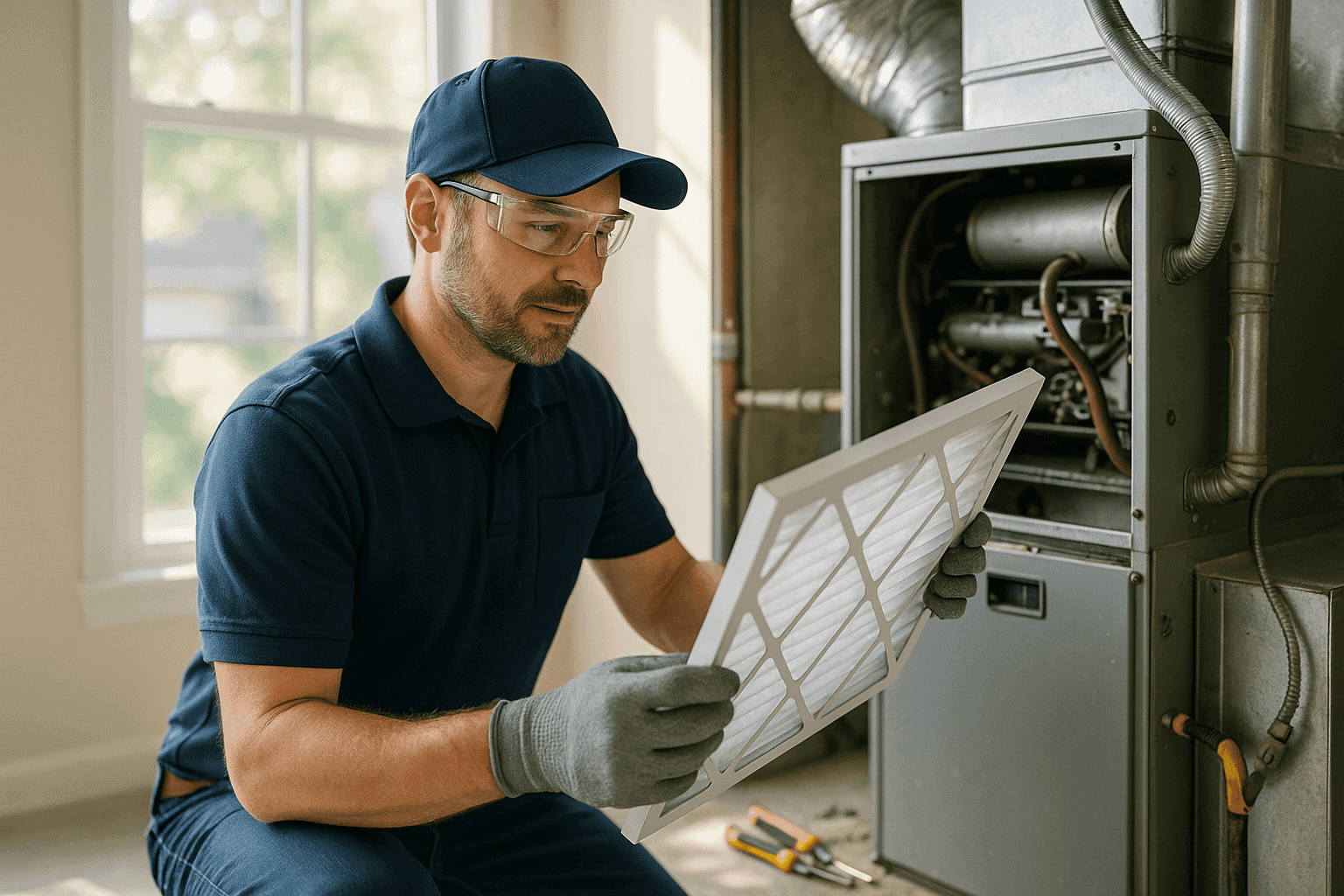
1. Replace or Upgrade Air Filters
Air filters are your first line of defense. Over time, they fill up with dust, pollen, and other debris. A dirty filter is like a clogged nose—it can’t do its job.
- Change filters at least every 1–3 months, or more often if you have pets or allergies.
- Consider high-efficiency filters (like MERV 11–13) for extra protection.
2. Schedule Professional Duct Cleaning
Your ducts are like hidden highways for allergens. If they’re dusty, every time the HVAC kicks on, it’s like shaking out a dusty rug.
- Professional duct cleaning clears out years of buildup.
- Look for certified technicians who follow NADCA (National Air Duct Cleaners Association) standards.
3. Test Indoor Air Quality (IAQ)
You can’t fix what you can’t see. IAQ testing reveals hidden issues—like high pollen counts, mold, or even carbon monoxide.
- Schedule IAQ testing before allergy season for peace of mind.
- Address any problems right away, especially if you notice musty smells or unexplained symptoms.
Choosing the Right Filters and Air Scrubbers for Allergy Relief
Not all air filters are created equal. Some catch only the big stuff; others trap the tiniest invaders.
What to Look For in a Filter
- MERV Rating: The higher the number (up to 13 for most homes), the more particles it catches.
- HEPA Filters: Capture 99.97% of particles down to 0.3 microns. Great for allergy sufferers but may require HVAC adjustments.
- Electrostatic Filters: Use static electricity to trap particles.
Air Scrubbers: The Extra Mile
Air scrubbers use UV light or special filters to zap bacteria, mold, and even some viruses. They’re like bouncers at a club—only the cleanest air gets through.
- Install in your ductwork for whole-house protection.
- Look for models certified by trusted organizations like UL or AHAM.
Upgrading HVAC Components to Reduce Allergens
Sometimes, your system needs a little boost. Upgrades can make a big difference when allergies are at their worst.
Humidifiers and Dehumidifiers
- Humidifiers: Add moisture to dry air, which can soothe irritated noses and throats.
- Dehumidifiers: Remove excess moisture, making it harder for mold and dust mites to thrive.
Keep indoor humidity between 30% and 50%, as recommended by the CDC.
Ventilation Improvements
Opening a window isn’t always the answer—especially when pollen counts are high. Instead, consider:
- Energy recovery ventilators (ERVs) to bring in fresh air without letting allergens inside.
- Regular maintenance of exhaust fans in kitchens and bathrooms.
Whole-House Fans and Air Balancing
A balanced HVAC system ensures every room gets the right airflow. Whole-house fans can flush out stale air quickly, while air balancing ensures no corner is left behind.
Emergency HVAC Tips for Unexpected Allergy Flare-ups 🚨
Allergy season doesn’t keep business hours. When symptoms spike or your system suddenly stops working, quick action matters.
- Shut windows and doors to keep new allergens out.
- Switch your HVAC to “fan on” mode to keep air moving through filters.
- Check your thermostat—sometimes, a simple reset can help.
- Call for emergency hvac service if your system stops or air quality drops fast.
Hug’s H.V.A.C is available 24/7 for those moments when you can’t wait.
Practical Tips for Everyday Relief
- Vacuum carpets and upholstery often with a HEPA vacuum.
- Wipe down vents and registers with a damp cloth.
- Wash bedding weekly in hot water.
- Keep pets groomed and out of bedrooms.
Even small steps add up to cleaner air.
Frequently Asked Questions
How often should I replace my HVAC filter during allergy season?
Ideally, check your filter monthly and replace it every 1–3 months. If you have pets, allergies, or run your system often, change it more frequently.
Will duct cleaning really help with allergies?
Yes—especially if your ducts haven’t been cleaned in years or you notice dust buildup around vents. NADCA-certified cleaning ensures proper results.
Are portable air purifiers as effective as whole-home solutions?
Portable units help in individual rooms but can’t match the coverage of a whole-home air scrubber or upgraded filter system.
Can I install a HEPA filter in any HVAC system?
Not always. Some systems may need modifications to handle the airflow restriction of HEPA filters. Consult with a professional before upgrading.
Special Considerations for Allergy-Prone Homes and Businesses
- Schedule HVAC maintenance before allergy season, not after.
- If you or your family have asthma or severe allergies, mention this during your service call—there may be specialized solutions.
- Commercial spaces may need more frequent filter changes and IAQ testing due to higher occupancy.
Ready for Allergy Season? Hug’s H.V.A.C Can Help
Don’t let allergy season take the wind out of your sails. A well-maintained HVAC system is your shield against sneaky allergens and surprise flare-ups. Whether you need a filter change, emergency hvac repair, or a full system upgrade, Hug’s H.V.A.C is ready to help—anytime, day or night.
Call Hug's H.V.A.C now — or reach us anytime at 855-557-9285 .