How to Prepare Your HVAC System for Winter Emergencies
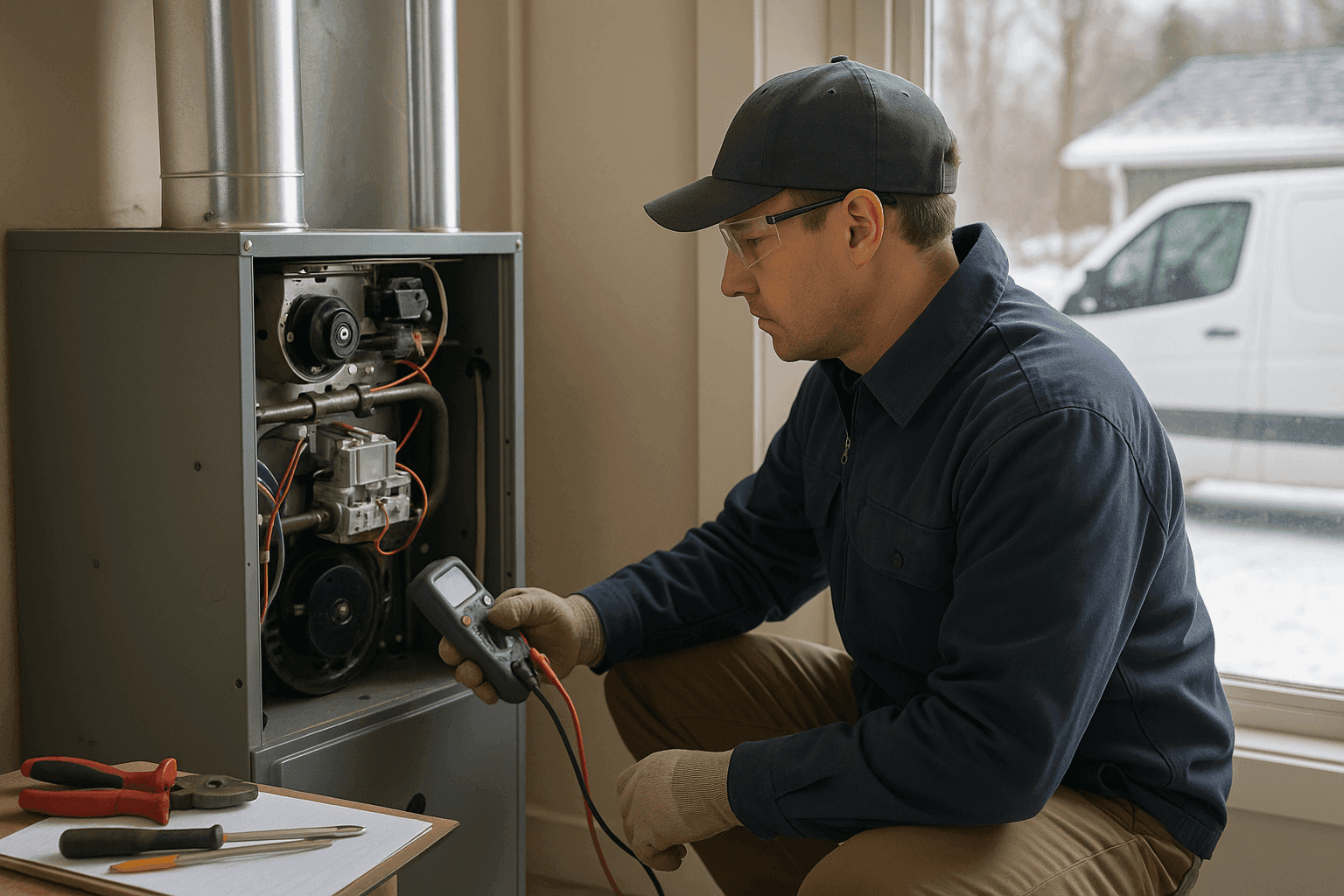
When the wind howls and temperatures dive, your home or business depends on its heating system. A sudden breakdown isn’t just uncomfortable—it can be dangerous. At Hug’s H.V.A.C, we’ve seen how winter emergencies can turn a cozy night into a scramble for safety.
Let’s make sure you’re ready. Here’s how to prep your HVAC system for whatever winter throws your way.
Why Winter Emergencies Happen
Picture this: It’s the coldest night of the year. Your furnace sputters, then stops. Pipes threaten to freeze. The family huddles in blankets, waiting for help.
Most winter HVAC emergencies don’t come out of nowhere. They’re the result of small issues—dusty filters, worn-out parts, unnoticed leaks—that build up over time. Ignoring maintenance is like driving on bald tires during a snowstorm. You might make it… or you might not.
Quick Winter HVAC Safety Checklist ❄️
Before the first frost, run through this list. It’s your best defense against midnight surprises.
- Check Your Thermostat: Test both heating and cooling modes. Replace batteries if needed.
- Replace or Clean Filters: Dirty filters choke airflow and strain your system.
- Inspect Vents and Registers: Make sure they’re open and clear of furniture or drapes.
- Test Carbon Monoxide Detectors: Replace batteries and confirm they’re working. This is non-negotiable.
- Look for Unusual Noises or Smells: Clanks, bangs, or burning odors can signal trouble.
- Seal Duct Leaks: Feel for drafts around duct joints. Use mastic or foil tape, not duct tape.
- Clear Outdoor Units: Remove leaves, snow, or debris from heat pumps and exhaust vents.
- Check Emergency Power: If you have a generator, test it. Fuel it. Make sure it’s ready.
- Schedule a Professional Inspection: Don’t skip this step. A trained technician sees what you can’t.
DIY vs. When to Call a Pro
Some maintenance is safe for anyone. Some jobs aren’t.
DIY:
- Swapping filters
- Changing thermostat batteries
- Vacuuming accessible vents
- Resetting tripped breakers
Call a Professional:
- Furnace won’t start, or cycles on and off
- Smell of gas or burning plastic
- Strange noises that don’t stop
- Repeated blown fuses or tripped breakers
- Carbon monoxide alarms going off
- Water leaks near your furnace or boiler
- Poor airflow, cold spots, or rising energy bills
If you’re ever unsure, err on the side of safety. Heating systems use high voltage and combustible fuel. According to the U.S. Consumer Product Safety Commission, improper repairs can lead to fire or carbon monoxide poisoning.
What the Pros Do On Arrival
A certified technician brings more than a toolbox. They bring a trained eye.
Here’s what happens during a winter emergency visit:
- Full System Assessment: Checking wiring, controls, and safety switches.
- Combustion Analysis: Ensuring the burner is operating safely and efficiently.
- Heat Exchanger Inspection: Looking for cracks or corrosion that could leak carbon monoxide.
- Duct and Vent Check: Making sure air moves freely and exhaust is vented safely.
- Thermostat Calibration: Verifying accurate temperature readings.
- Filter and Blower Cleaning: Removing dust that can cause overheating.
- Generator and Backup Systems: Testing for reliable power during outages.
Technicians follow safety standards set by organizations like the National Fire Protection Association (NFPA) and the Air Conditioning Contractors of America (ACCA).
Prevention & Maintenance: Your Best Defense
A little attention now saves a world of trouble later. Here’s how to keep your system humming:
Regular Tasks
- Change Filters Every 1–3 Months: More often if you have pets or allergies.
- Keep Outdoor Units Clear: Snow, ice, and leaves can block airflow.
- Vacuum Vents and Registers: Dust buildup restricts heat.
- Listen and Look: Odd sounds or smells? Don’t ignore them.
Seasonal Tasks
- Schedule Fall Tune-Ups: A pro will catch small problems before they become big ones.
- Test Carbon Monoxide Detectors: Press the “test” button monthly.
- Seal Ducts and Insulate Pipes: Prevents heat loss and frozen lines.
For Small Businesses
- Check Building Automation Systems: Make sure schedules and setpoints are updated for winter.
- Inspect Commercial Hoods and Exhausts: Kitchens and workshops need special attention.
Air Quality Matters
Winter means closed windows and recycled air. Consider:
- Duct Cleaning: Reduces dust and allergens.
- Humidifiers: Prevents dry air and static.
- Air Scrubbers: Capture bacteria and viruses.
The Environmental Protection Agency (EPA) recommends regular HVAC maintenance for healthy indoor air.
Costs & Time Factors
No one likes surprise bills. Here’s what to expect:
- Time: Most emergency HVAC repairs take 1–3 hours. Complex issues (like blower motor replacement) may take longer.
- Cost Factors: After-hours calls, parts availability, and system age all play a role.
- Maintenance: Seasonal tune-ups are a fraction of emergency repair costs.
Remember, routine care is an investment. It extends your system’s life and keeps energy bills in check.
When It’s an Emergency
Some problems can’t wait. Call for emergency HVAC help if:
- Your furnace stops during freezing weather.
- You smell gas or hear hissing near gas lines.
- Carbon monoxide alarms sound.
- Electrical panels or wires are hot or sparking.
- Water leaks threaten property or equipment.
- Indoor temperatures drop dangerously low for children, seniors, or pets.
Don’t try to tough it out. Exposure to cold can be life-threatening.
FAQ: Winter HVAC Emergencies
How often should I schedule furnace maintenance?
At least once a year, ideally before winter. If your system is older or works overtime, consider twice-yearly checks.
What are early warning signs my furnace is failing?
Short cycling, strange noises, weak airflow, uneven heating, or rising energy bills. Don’t ignore these signals.
Is it safe to use a portable heater if my furnace fails?
Only use heaters with tip-over and overheat protection. Keep them away from curtains, bedding, and children. Never use ovens or grills for heat.
How do I know if my generator is ready?
Test it monthly. Check oil and fuel levels. Store fuel safely, and never run a generator indoors or in garages—carbon monoxide is deadly.
Special Considerations for Winter HVAC Service
- Older Homes: May have outdated wiring or venting. Extra caution is needed.
- Geothermal and Radiant Systems: Require specialized care—don’t trust just anyone.
- Mini-Splits and Heat Pumps: Can freeze up in extreme cold. Regular defrost cycles are key.
- Whole-House Fans: Should be sealed or covered in winter to prevent heat loss.
- Home Energy Audits: Reveal insulation gaps and air leaks that strain your system.
The National Fire Protection Association and the U.S. Department of Energy both stress the importance of professional inspections and preventive care for winter safety.
Stay warm, safe, and worry-free this winter. If your system needs attention—or you’re facing an emergency—help is just a call away.
Call Hug's H.V.A.C now — or reach us anytime at 855-557-9285 .