Signs Your Furnace Needs Repair (And What to Do)
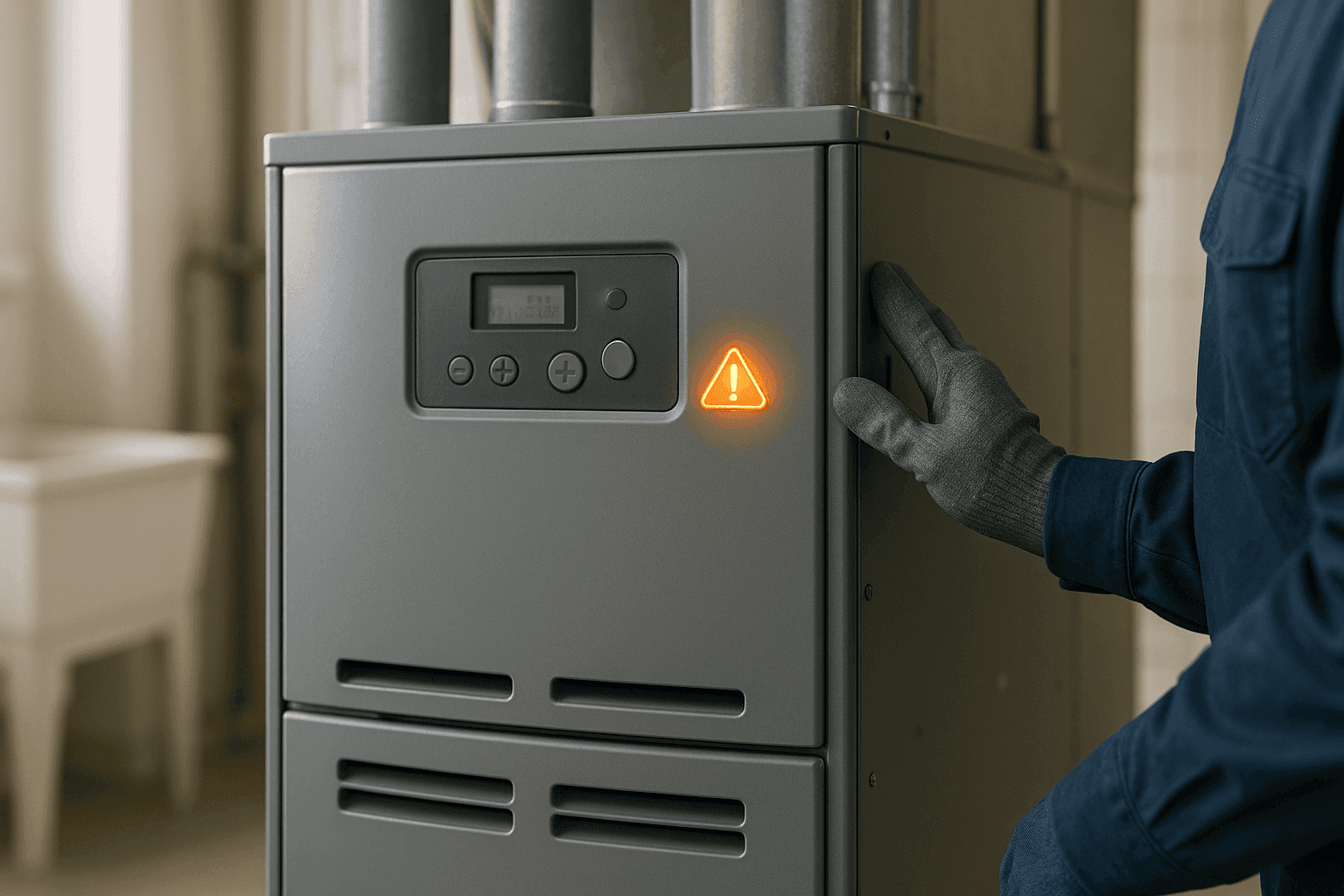
Every winter, your furnace is the unsung hero of your home. It hums away in the background, keeping your family warm and safe through long, cold nights. But what happens when it starts to struggle? If you ignore the early warning signs, you could end up shivering—or worse, facing an emergency.
At Hug’s H.V.A.C, we know how stressful it is when your heat falters. Our team handles everything from heating repair and whole-house fans to emergency HVAC calls, day or night. Here’s how to spot trouble early and what to do next.
Common Signs Your Furnace Needs Repair
Not sure if your furnace is waving a red flag? Watch for these top warning signs. If you notice any of them, take action before things escalate.
Strange Noises Coming From the Furnace
If your furnace starts banging, rattling, or squealing, don’t tune it out. Think of it like your car making odd sounds—something’s not right under the hood. Here are a few noises and what they might mean:
- Banging or thumping: Could signal loose or broken parts.
- Squealing or screeching: Often points to a worn belt or motor.
- Rattling: Sometimes just a loose panel, but could also mean internal damage.
Unusual sounds are rarely harmless. They’re usually your furnace’s way of saying, “Help!”
Inconsistent Heat or Cold Spots
One room roasting, another freezing? Furnaces on their last legs can’t keep a steady temperature. You might notice:
- Heat that flickers on and off
- Drafty rooms or cold spots
- The need to crank the thermostat higher and higher
This isn’t just uncomfortable—it can stress your entire heating system. If your furnace is struggling to keep up, it’s time for a closer look.
Rising Energy Bills
Skyrocketing utility bills aren’t just a pain—they’re a big clue. If your bills jump even though your usage stays the same, your furnace might be running longer to compensate for lost efficiency. Common reasons include:
- Dirty filters or ducts choking airflow
- Failing parts forcing the unit to work harder
- Older systems losing their edge
It’s like running a marathon in mud boots. You get tired faster and cover less ground.
Odd Odors or Smells
Furnaces should never smell “off.” Pay attention to:
- Burning dust: May be normal when first turning on for the season, but lingering smells mean trouble.
- Musty odors: Could signal mold or mildew in your vents—bad news for indoor air quality.
- Rotten egg smell: This could mean a gas leak. Leave your home immediately and call emergency HVAC help.
Trust your nose. If something smells wrong, it probably is.
Frequent Cycling On and Off
Does your furnace seem to turn on, run briefly, then shut down—over and over? This “short cycling” wears out components and can be a warning sign of:
- Faulty thermostats
- Clogged air filters
- Improper airflow or overheating
If you hear your furnace playing a game of “now you see me, now you don’t,” it’s time for a checkup.
Quick Safety Checklist 🛑
Before you panic, run through these quick safety steps. Sometimes, the simplest fix can get the heat flowing again.
- Check your thermostat: Is it set to “heat”? Try adjusting the temperature up by a few degrees.
- Inspect your air filter: Dirty filters block airflow. Replace it if it’s gray or packed with dust.
- Look at the circuit breakers: Tripped breakers can shut your furnace down completely.
- Listen and sniff: Any strong gas smell? Turn off the furnace, exit your home, and call for emergency HVAC help.
When in doubt, play it safe. The U.S. Consumer Product Safety Commission and National Fire Protection Association recommend turning off any appliance that is sparking, smoking, or leaking gas.
DIY vs. When to Call a Pro
Some issues are like splinters—you can handle them yourself. Others are more like a broken bone: call the pros.
DIY Checks
- Thermostat settings: Confirm it’s switched to “heat” and the batteries work.
- Air filters: Swap them out every 1-3 months, or sooner if you have pets or allergies.
- Registers and vents: Make sure they’re open and not blocked by furniture.
When to Call Hug’s H.V.A.C
If you’ve tried the basics and your furnace still acts up, don’t roll the dice. Call for help if you notice:
- Strange noises or smells
- No heat at all, especially during freezing weather
- Furnace won’t turn on, or keeps shutting off
- Pilot light is out or burning yellow (should be blue)
- Signs of water or condensation around the unit
Remember—some furnace issues can threaten your safety. If you suspect a gas leak or electrical problem, shut off the system and get out of the house.
What Pros Do On Arrival
When you call Hug’s H.V.A.C for emergency HVAC service, here’s what you can expect:
- Thorough inspection: We check your furnace, thermostat, and electrical connections.
- Airflow and filter checks: Blocked ducts or dirty filters are common culprits.
- Combustion analysis: We ensure safe, efficient burning—no guessing.
- Indoor air quality review: We look for mold, dust, or carbon monoxide risks.
- Clear communication: We explain what’s wrong, what needs fixing, and what it’ll cost before we start.
We use the latest diagnostic tools and always follow state and local code requirements. Transparent pricing means no surprises—just honest, straightforward guidance.
Prevention & Maintenance
An ounce of prevention is worth a pound of repairs. Regular maintenance keeps your furnace humming and your home comfortable.
- Schedule annual inspections: Fall is the best time to prep for winter.
- Replace filters regularly: Clean filters mean better airflow and efficiency.
- Test carbon monoxide detectors: Especially important with gas furnaces.
- Keep vents clear: Don’t block airflow with furniture, rugs, or clutter.
- Consider air scrubbers near you: They help improve indoor air quality and keep your system cleaner.
Following manufacturer guidelines and recommendations from the Environmental Protection Agency (EPA) helps ensure safe, efficient operation.
Costs & Time Factors
How much will it cost? How long will it take? The answer depends on your furnace and the issue.
- Minor fixes: Thermostat adjustments, filter changes, or electrical resets can be quick and cost-effective.
- Major repairs: Blower motors, heat exchangers, or control boards require more time and parts.
- Emergency HVAC calls: We’re available 24/7, but after-hours or holiday calls may take longer due to demand.
Most residential furnace repairs are completed in a few hours, but complex issues or parts shortages can extend that timeline. We’ll always keep you updated.
When It’s an Emergency
Some furnace problems just can’t wait. Here’s when to pick up the phone—day or night:
- No heat in freezing weather: Risk of frozen pipes or health hazards.
- Gas smells or carbon monoxide alarms: Leave your home and call for emergency HVAC help immediately.
- Electrical burning smells or sparks: Shut off power and don’t risk a fire.
- Water leaking from the furnace: Could damage your home or indicate a serious malfunction.
If you’re not sure, err on the side of caution. It’s better to call and find out it’s a small issue than wait and face a bigger problem.
FAQ
How often should I have my furnace serviced?
Most furnace manufacturers and the U.S. Department of Energy recommend professional servicing at least once per year—preferably before the heating season starts.
My furnace is blowing cold air. What should I do?
Check your thermostat setting and replace the air filter. If that doesn’t work, call a professional—your furnace may have a faulty igniter, pilot light, or control board.
Is it normal to smell burning dust when I first turn on my furnace?
Yes, a mild burning dust smell is common the first time you fire up your furnace for the season. If the smell lingers or gets worse, turn off the system and call for help.
Can I repair my furnace myself?
Some simple tasks—like changing filters or checking the thermostat—are DIY-friendly. But most repairs require specialized tools, training, and knowledge of building codes. When in doubt, call a pro.
Local & Seasonal Considerations ❄️
In colder climates, furnace failure can turn into a true emergency fast. Frozen pipes, unsafe indoor temperatures, and health risks are real concerns. In milder areas, you might have more leeway—but any loss of heat is tough on your family’s comfort.
Seasonal maintenance is critical before the first deep freeze. Schedule early to avoid the winter rush—and remember, Hug’s H.V.A.C is always standing by for 24-hour emergency HVAC calls.
Your comfort and safety matter. At the first sign of trouble—strange noises, inconsistent heat, high bills, or anything else—reach out. We’re here to help, day or night, with transparent pricing and expert diagnostics.
Call Hug's H.V.A.C now — or reach us anytime at 855-557-9285 .